
 Anuradha
 01 Apr 2026
 LinkedIn
On March 3, 2026, Meta announced a major shift in how advertisers measure ad performance. This update is designed to simplify attribution, reduce confusion between platforms, and better reflect how users actually interact with ads in a social-first world.
For years, advertisers have struggled with mismatched data between Meta Ads Manager and third-party tools like Google Analytics. This update directly addresses that problem while introducing a more holistic way to measure ad impact.
In this blog, we’ll break down everything you need to know about the update, what has changed, why it matters, and how you should adapt your strategy.
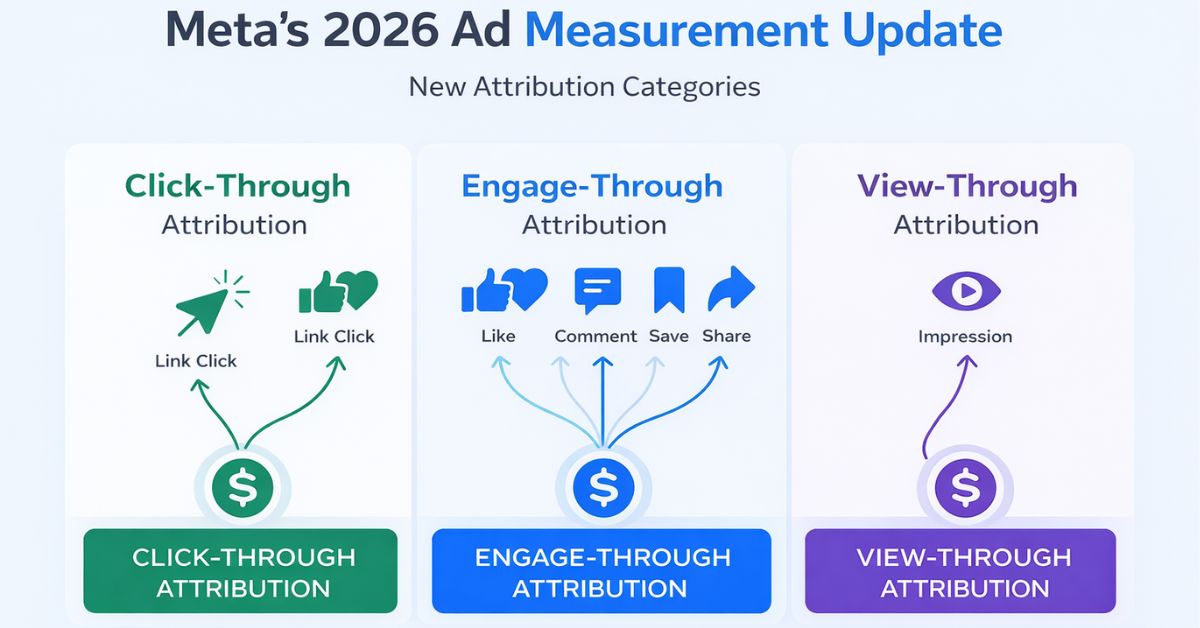
Meta has restructured its attribution system into three distinct categories:
1. Click-Through Attribution
2. Engage-Through Attribution
3. View-Through Attribution
This shift reflects modern user behavior on social media, where users interact with ads in multiple ways—not just clicks.
Traditional digital advertising measurement was built for search engines, where the primary action is simple: a user clicks a link and converts.
However, social media platforms work differently.
Users don’t just click ads. They:
1. Like posts
2. Share with friends
3. Save for later
4. Watch videos without clicking
Previously, Meta grouped all these actions under “clicks,” which created confusion.
1. Now Meta reported higher conversions
2. Google Analytics reported lower conversions
3. Advertisers lost trust in data
Meta’s 2026 Ad Measurement update solves that problem by clearly separating interaction types.
Website visits
Landing page clicks
Likes
Shares
Comments
Saves
This change aligns Meta Ads data with tools like Google Analytics, improving performance tracking accuracy.
Engage Through Attribution is a new category that captures social interactions.
Likes
Comments
Shares
Saves
Example: A user saves your ad and converts after 2 days → counted as Engage-Through Conversion
Social media is not just about clicks—it’s about influence.
.png)
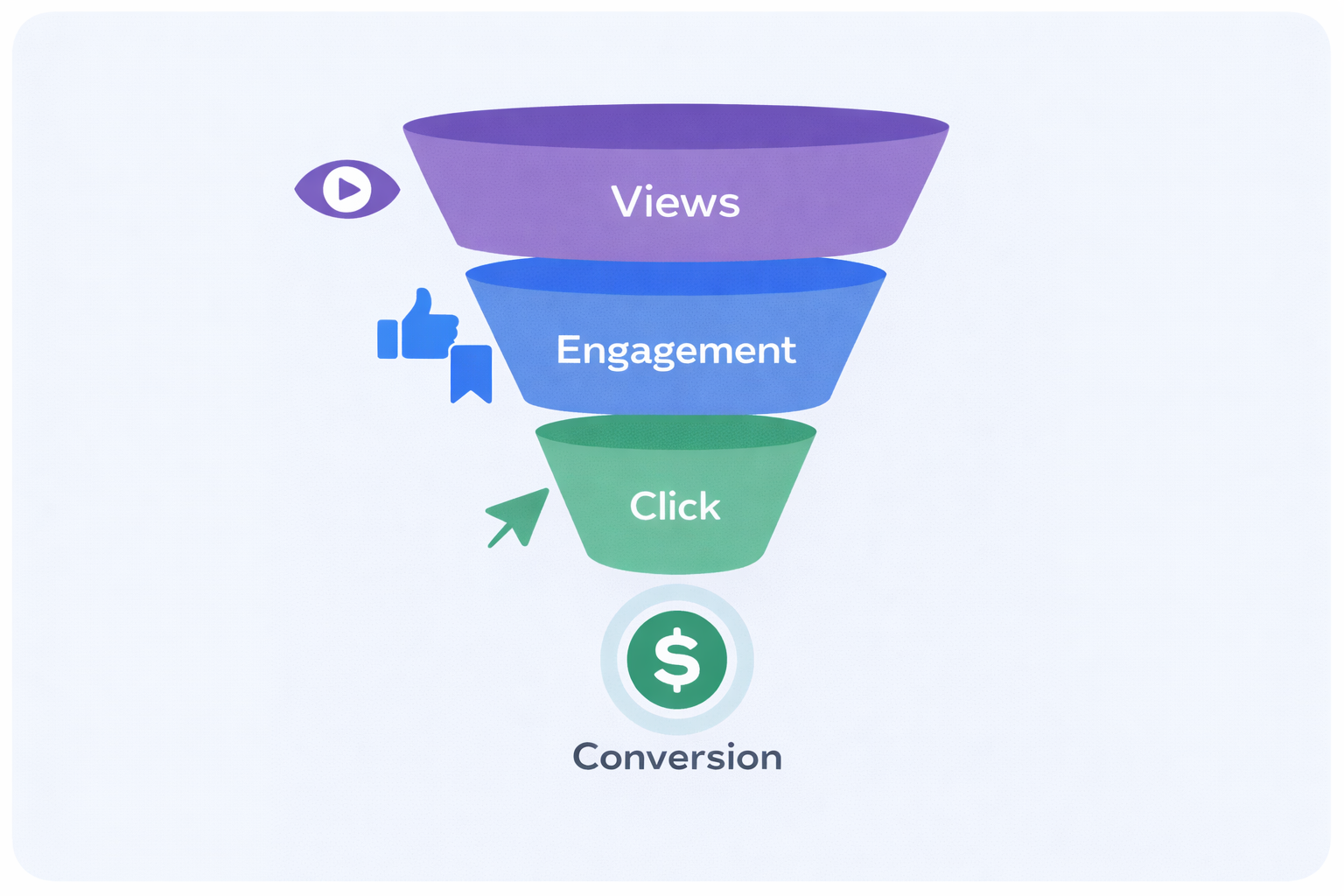
This tracks users who see your ad, do not click or engage, and convert later. It is crucial for
1. Brand awareness campaigns
2. High-ticket products
3. Long decision cycles
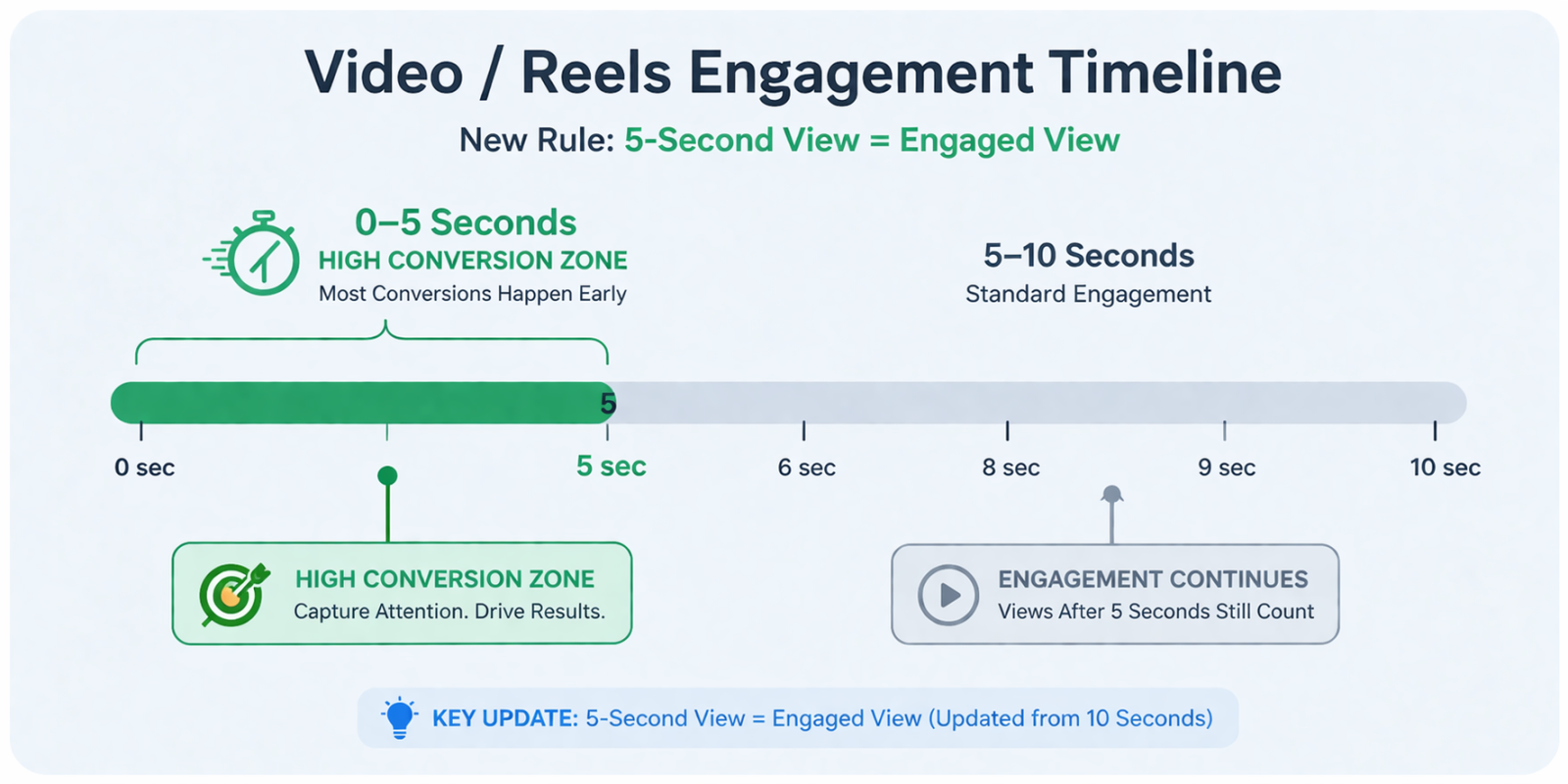
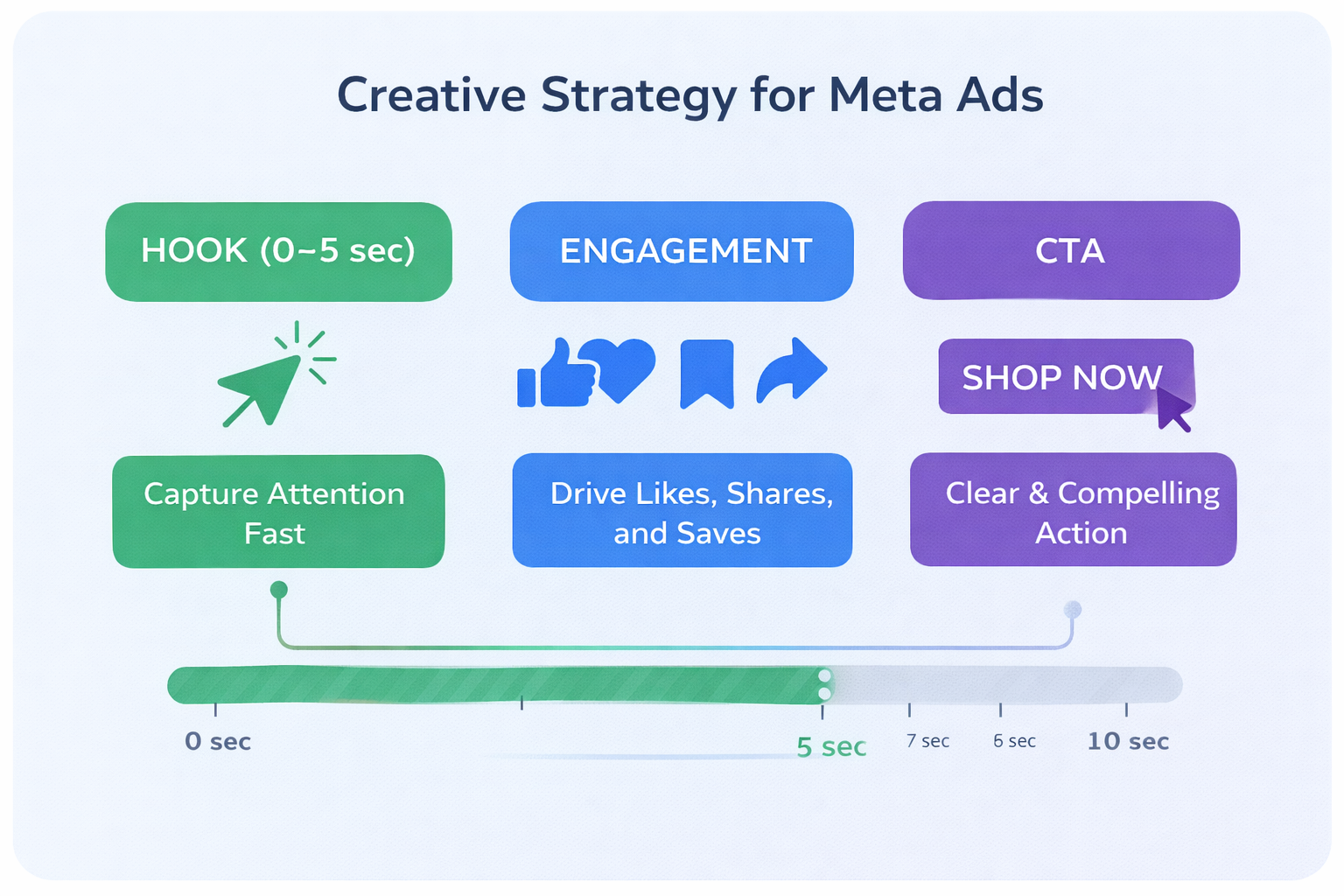
Meta has also updated how video engagement is measured. The old rule for Video & Reels to measure as engaged is a 10-second view. Now, after changes, a 5-second view is counted as engaged
Because Users consume content faster, Reels dominate attention, Early engagement matters more, [5-second view = engaged]
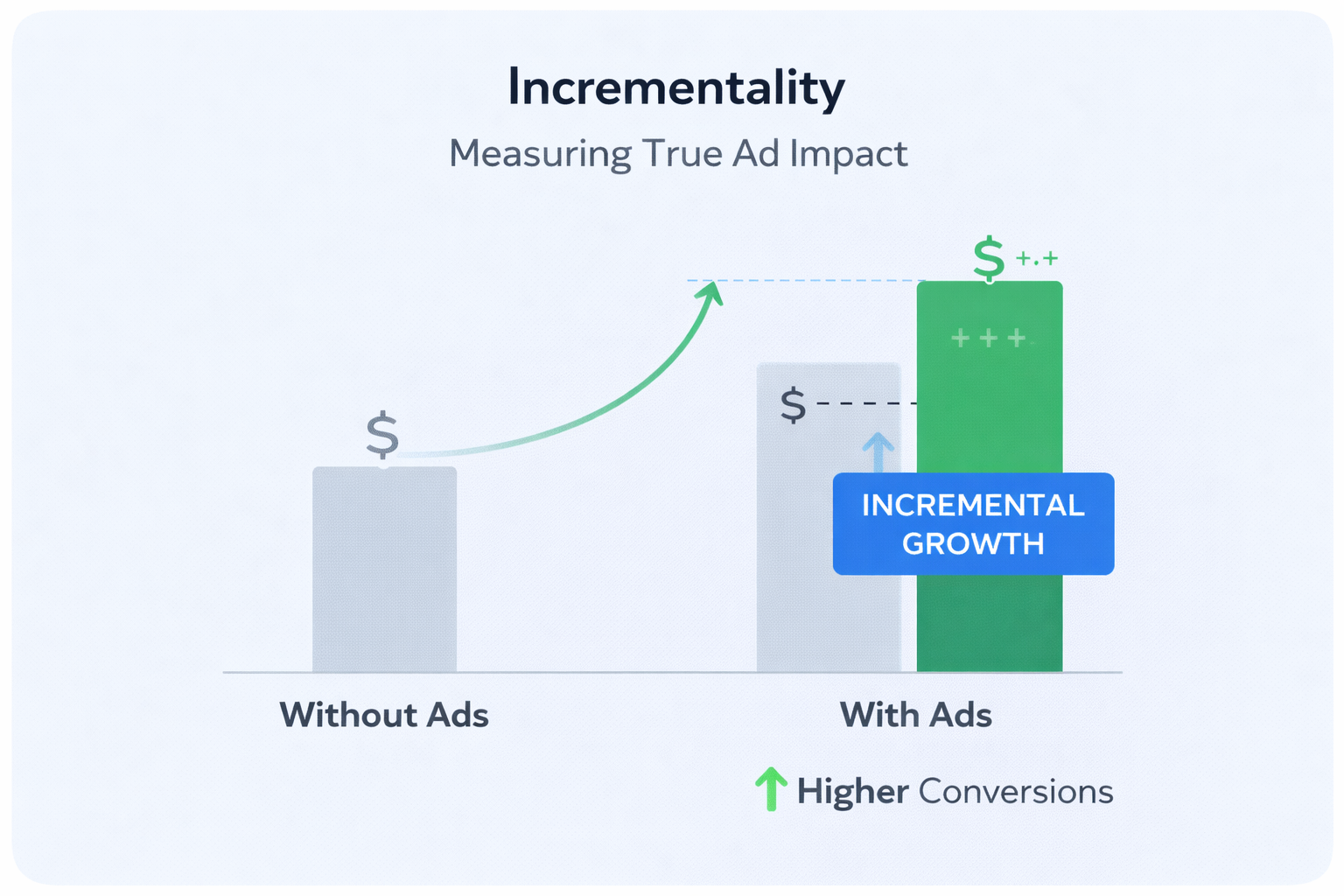
Incrementality answers one key question: “Would this conversion happen without the ad?” The best method is Conversion Lift Testing. This helps identify the true impact of your ads, beyond surface-level metrics.
You may see:
Drop in conversions Increase in CPL But this reflects more accurate data, not worse performance.
Meta Ads data will now closely match: Google Analytics Third-party attribution platforms
You can now differentiate: Direct intent (clicks) Social influence (engagement) Passive exposure (views)
Do not rely only on clicks.
Focus on:
Click - Through
Engage - Through
View - Through
For industries like:
Real Estate
Travel
Luxury Services
Users often:
Save ads
Share with family
Convert later
Create ads that:
Encourage saves
Drive shares
Capture attention quickly (first 5 seconds)
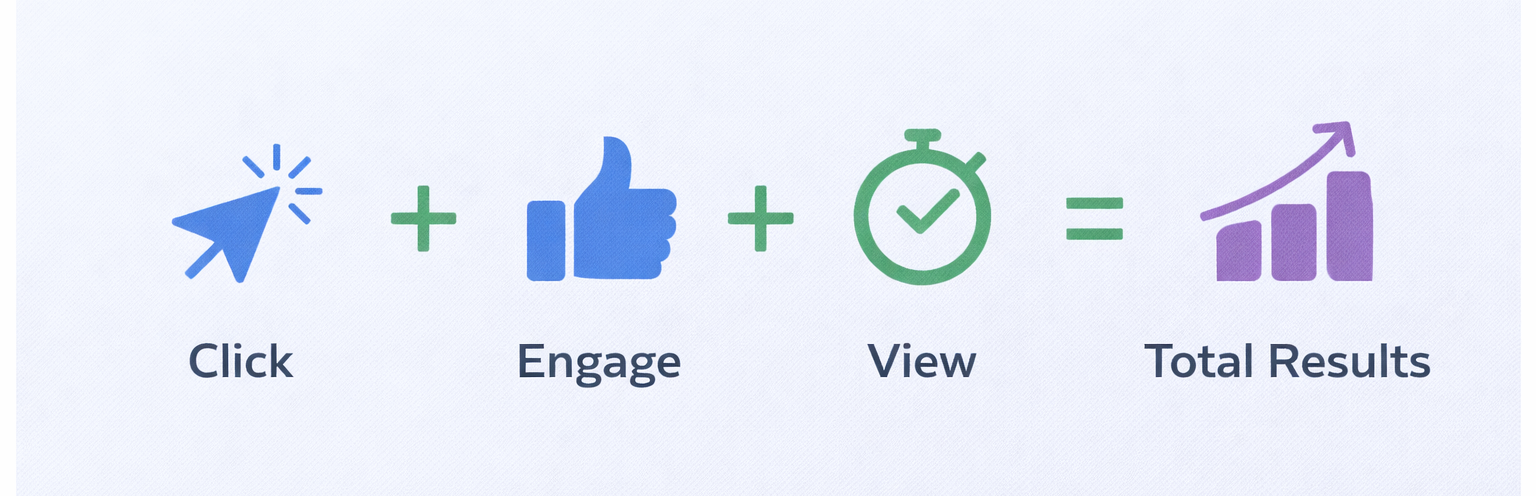
Use this formula in your reports:
Total Conversions = Click-Through + Engage-Through + View-Through
Meta’s 2026 ad measurement update is a major step toward more transparent and realistic performance tracking. Instead of relying only on clicks, advertisers can now understand the full impact of their campaigns—from first impression to final conversion. This change may require adjustment, but it ultimately leads to better decision-making, improved strategy, and more reliable reporting.
Everything you need to know about Google Tag Manager, from basics to advanced implementation

Grow your business with best performance marketing strategy
© 2024 DigiTechGrow. Developed by DigiTechGrow.
